
Introduction
The heart is one of the most important organs in the human body. It works continuously, day and night, pumping oxygen-rich and nutrient-rich blood to every part of the body. If the heart does not function properly, other organs of the body also begin to suffer.
Today, heart disease is one of the leading causes of death worldwide. An unhealthy diet, processed and fast foods, lack of physical activity, stress, smoking, obesity, diabetes, and high blood pressure are among the major risk factors for heart disease.
The good news is that most heart diseases can be prevented. By maintaining a balanced diet, exercising regularly, getting enough sleep, managing stress, and adopting a healthy lifestyle, you can keep your heart healthy for many years.
What Is the Heart?
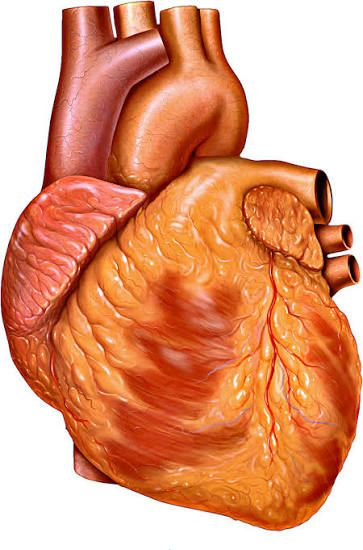
The heart is a strong muscular organ located in the center of the chest, slightly to the left. It is about the size of a closed fist. Its primary function is to pump blood throughout the body, supplying every organ and tissue with oxygen and essential nutrients.
The heart has four chambers:
- Right Atrium
- Right Ventricle
- Left Atrium
- Left Ventricle
These four chambers work together to maintain proper blood circulation, ensuring that oxygen and nutrients are continuously delivered throughout the body.

Great content! Keep up the good work!
Thanks Dear
wild trucks gameplay wild truck free games